Washington introduces new licensing requirements for advanced artificial-intelligence chips and remote computing infrastructure in five countries, seeking to prevent Chinese companies from bypassing existing technology restrictions.
Washington Targets a Technology Access Loophole
The United States has announced new restrictions designed to limit China’s ability to access advanced American artificial-intelligence computing technology through overseas data centers.
The measure, announced on November 16 by the US Department of Commerce’s Bureau of Industry and Security (BIS), introduces additional licensing requirements for certain advanced computing chips and remote computing arrangements.
The announcement reflects Washington’s concern that existing export restrictions can be circumvented when advanced American chips are installed in data centers outside China and subsequently accessed remotely by Chinese companies.
The new rule is intended to address that problem by extending export-control protections to certain overseas computing arrangements.
Five Countries Face New AI Chip Licensing Requirements
According to the Bureau of Industry and Security, the new regulation introduces licensing requirements affecting advanced chips associated with five countries:
- Singapore
- Malaysia
- Thailand
- Indonesia
- Brazil
Reuters reported that the regulation identifies these countries as presenting a higher-than-normal risk of unauthorized diversion of advanced chips to China.
The measure also requires certain overseas data centers that provide significant computing capacity to companies headquartered in China to obtain US export licenses within 90 days if they wish to continue providing the covered services.
The restrictions are not a blanket prohibition on all semiconductor exports to these countries.
The licensing framework is directed at specified advanced computing products, transactions and remote-access arrangements.
The distinction is important because these countries are also legitimate participants in the global semiconductor and cloud-computing industries.
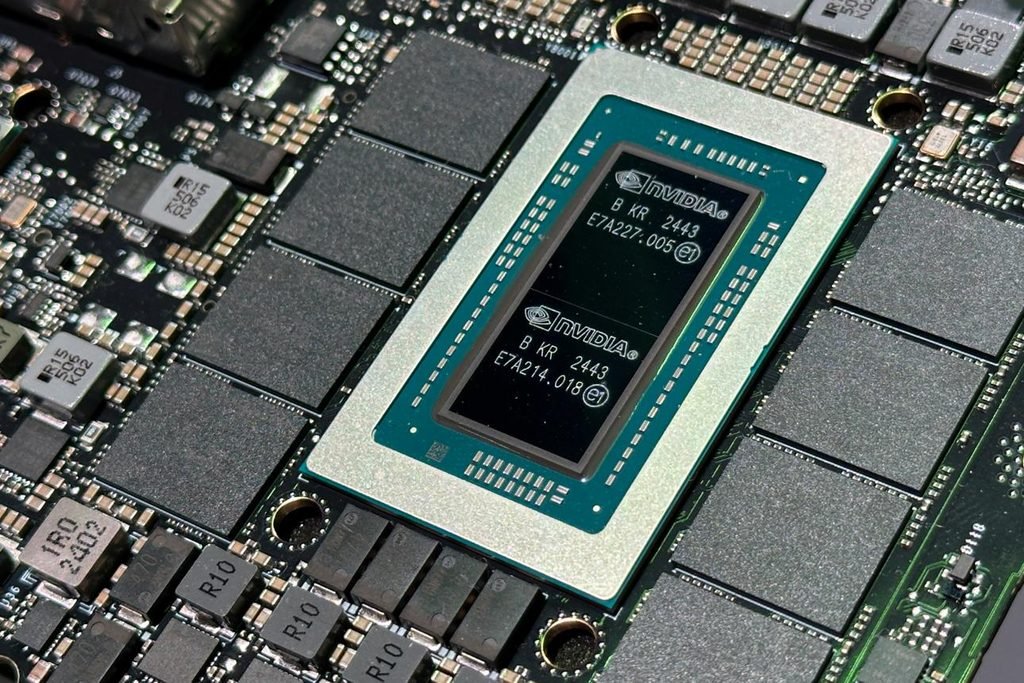
Why Advanced AI Chips Matter
Modern artificial-intelligence systems require substantial computing capacity for model training, inference and large-scale data processing.
Advanced graphics processing units and specialized accelerators are particularly important because they can perform the parallel calculations required by modern AI workloads.
American companies, including Nvidia, occupy an important position in this market.
Access to advanced chips has consequently become a central issue in US-China technology competition.
Washington argues that restrictions are necessary to prevent sensitive computing capabilities from being used in ways that could undermine national security.
China, meanwhile, has continued to pursue greater domestic semiconductor capacity and access to international computing infrastructure.
Business and Geopolitical Implications
The new rule could affect international cloud-service providers, data-center operators, semiconductor distributors and technology companies with customers in multiple countries.
Companies may need to review their customer relationships, computing contracts and compliance procedures to determine whether their services fall under the new requirements.
The regulation also creates additional uncertainty for technology investment across Southeast Asia.
For legitimate operators, the challenge will be demonstrating that advanced computing resources are being used in accordance with applicable export-control rules.
The announcement arrives during a sensitive diplomatic period, as President Donald Trump prepares to meet Chinese President Xi Jinping in Shenzhen.
The technology issue may therefore become part of a wider discussion about trade, national security and the future of US-China economic relations.
What Remains Uncertain About the New Export Restrictions
The long-term commercial impact cannot yet be measured.
The rule’s implementation, licensing decisions and responses from affected companies will determine how much computing activity is ultimately affected.
The announcement should not be interpreted as proof that all overseas access to American AI chips has been blocked.
It represents a more targeted attempt to close specific regulatory gaps involving advanced computing capabilities.